14 days…
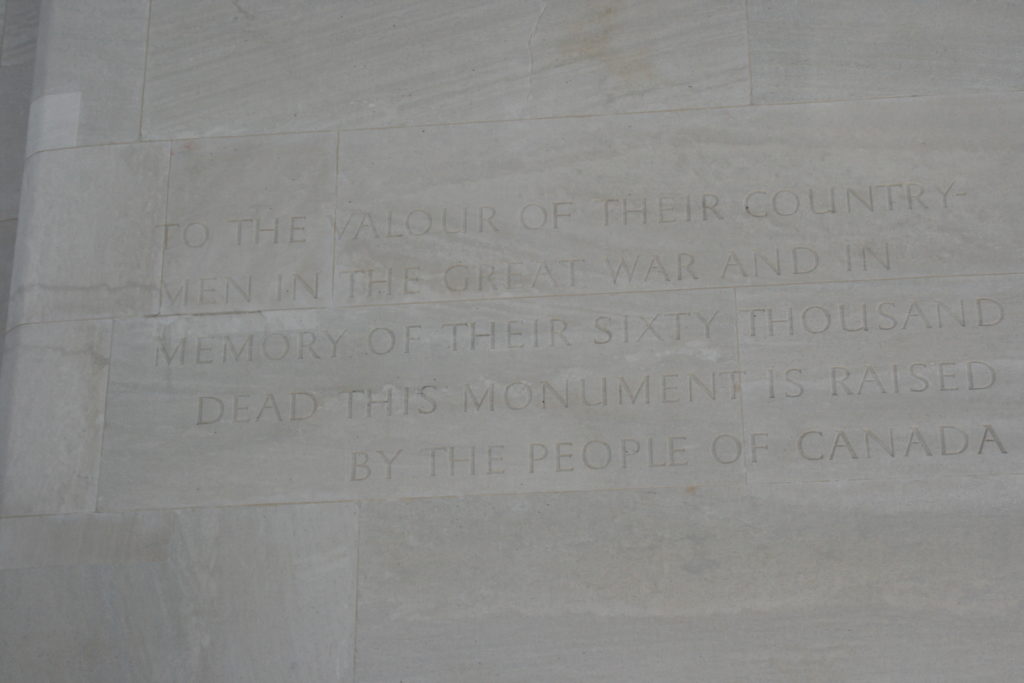
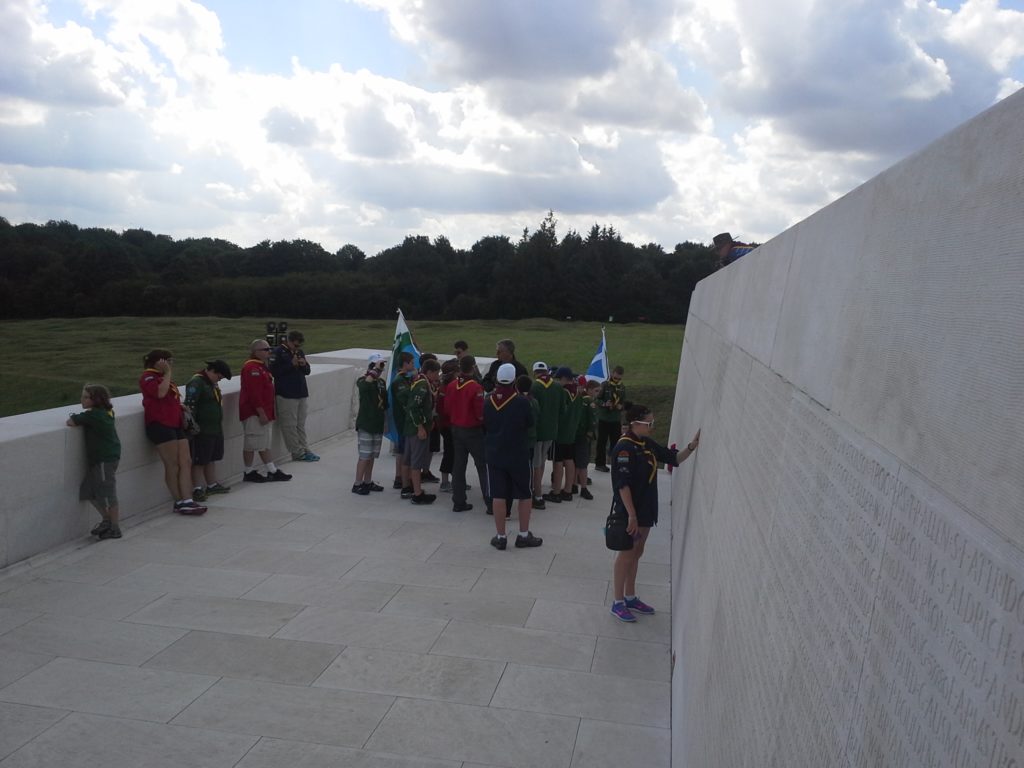
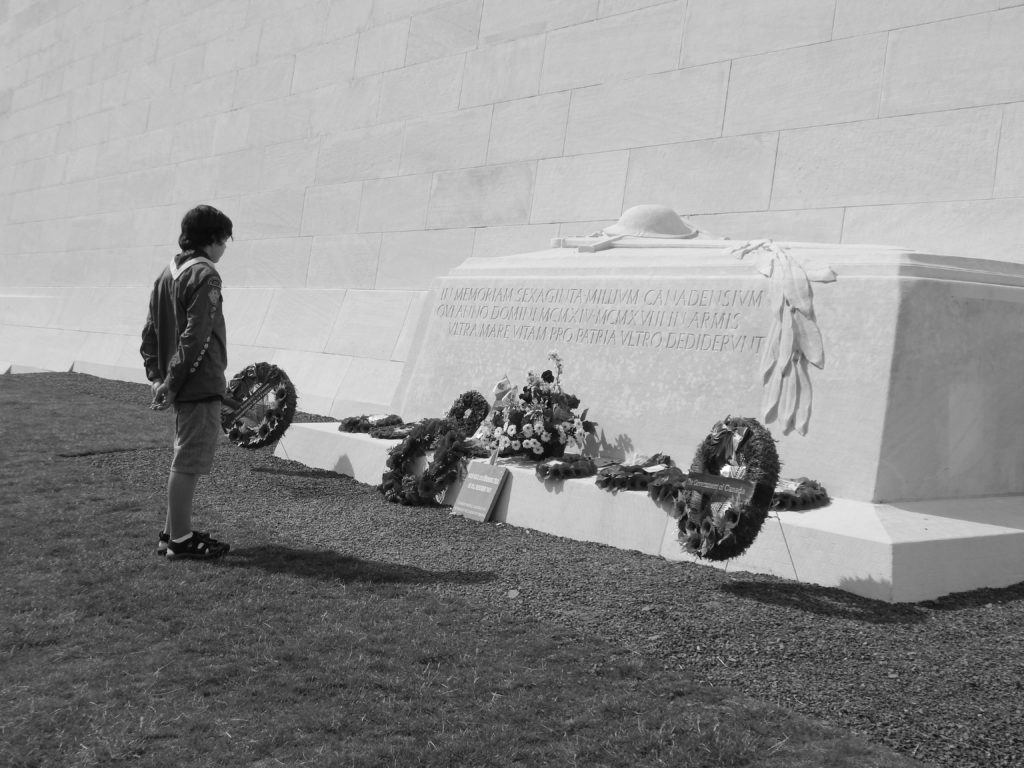
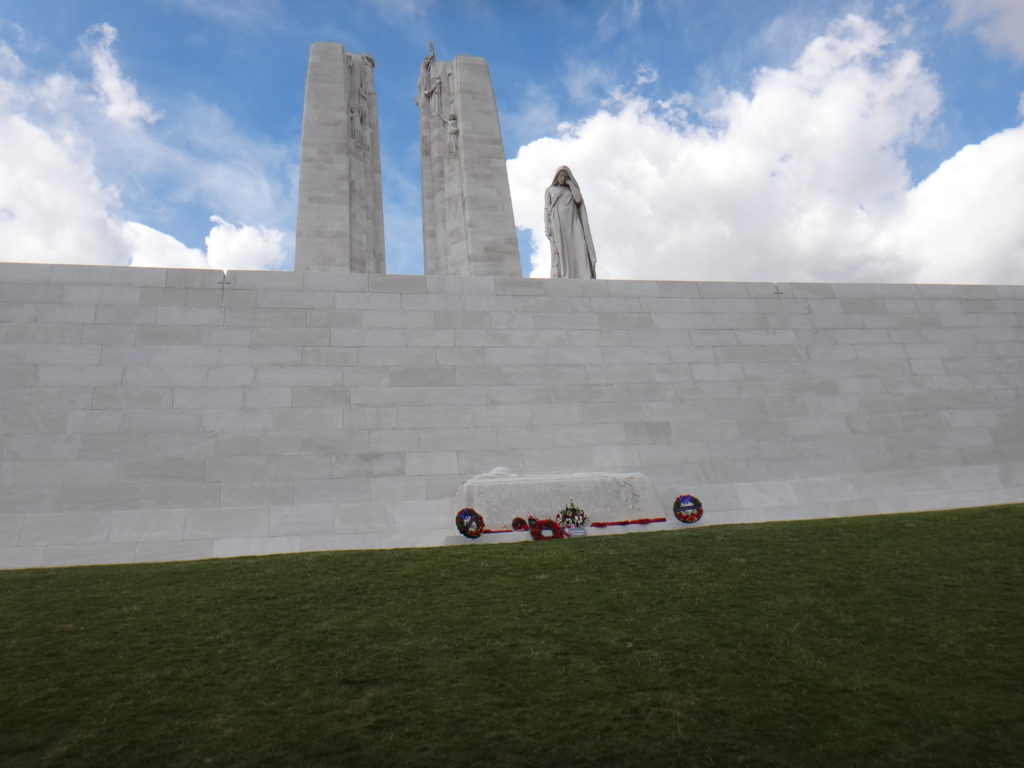
After a VERY early wake-up we loaded up and hit the road for Vimy Ridge. The memorial at Vimy Ridge serves as Canada’s monument to the 11,169 Canadians who never came home from the first World War but have no graves as their bodies were never recovered. This is our monument to the missing heroes who were never properly put to rest. The Battle of Vimy Ridge was the first time all three divisions of the Canadian Armed Forces fought together under a Canadian Commander, and the Canadian victory at Vimy Ridge distinguished Canada as a nation apart from United Kingdom for the first time. So going in to this day, we knew it was going to be another very big day.


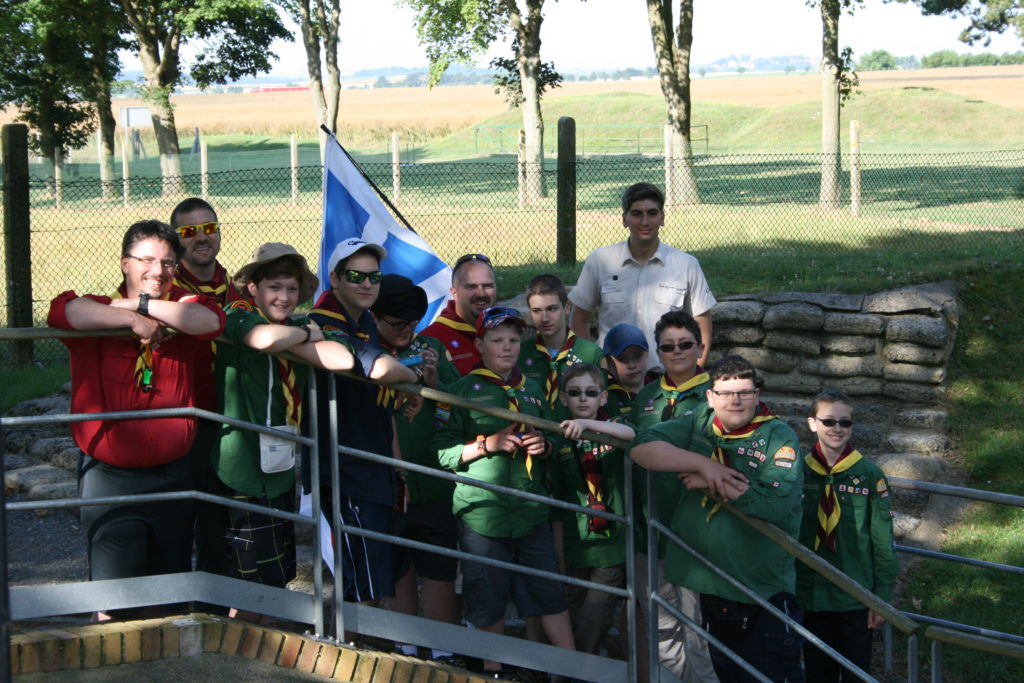
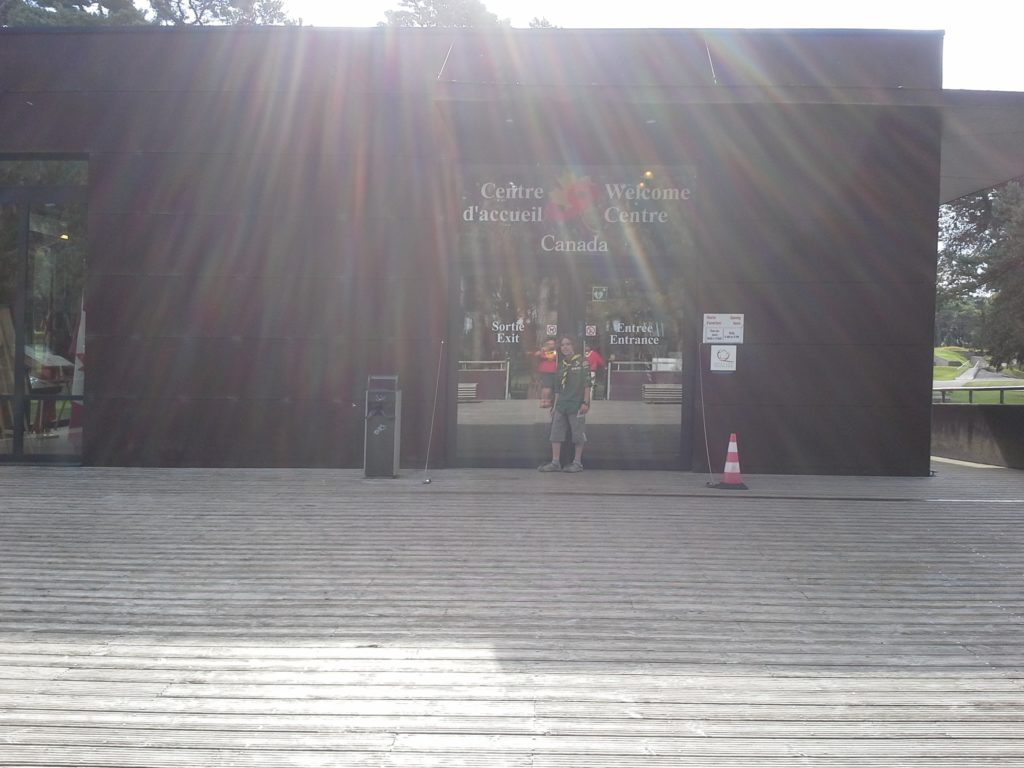


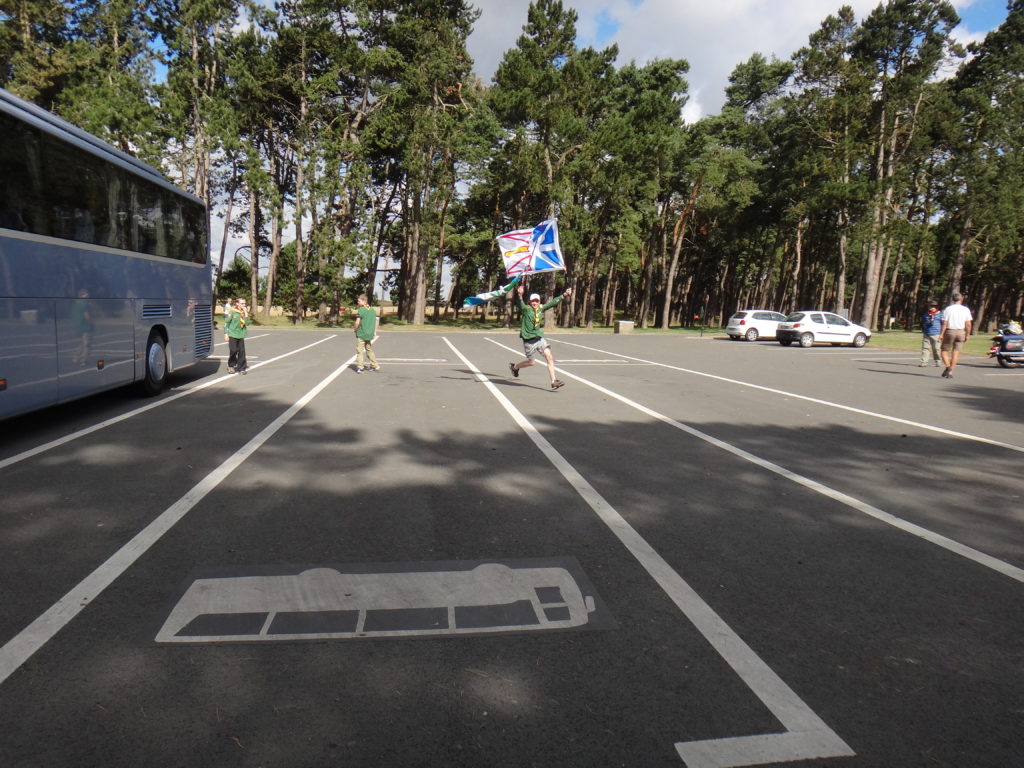
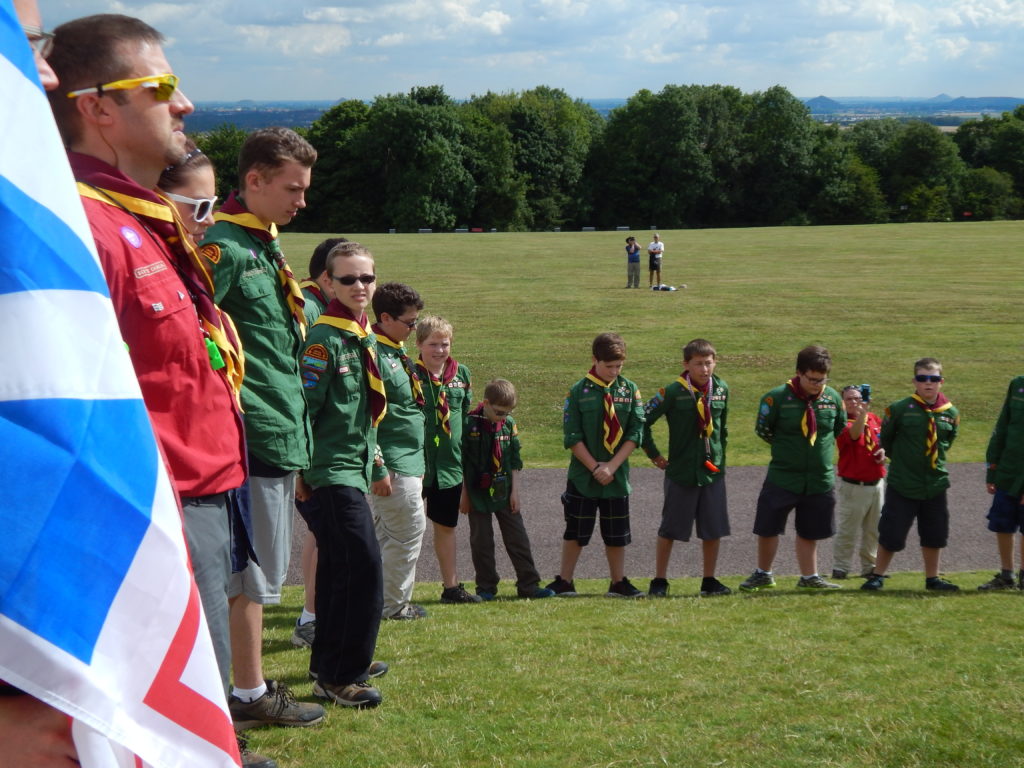
When we arrived at Vimy Ridge we were split in to two groups by the Canadian tour guides, so one group could explore the trenches while the other descended into the catacombs.


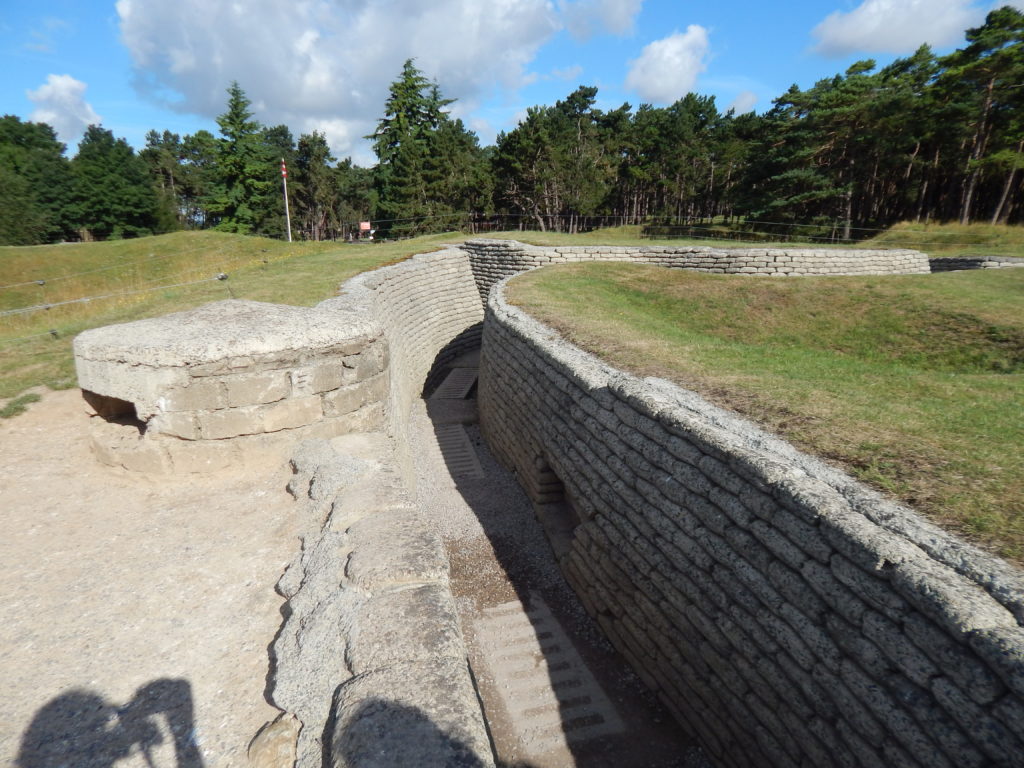

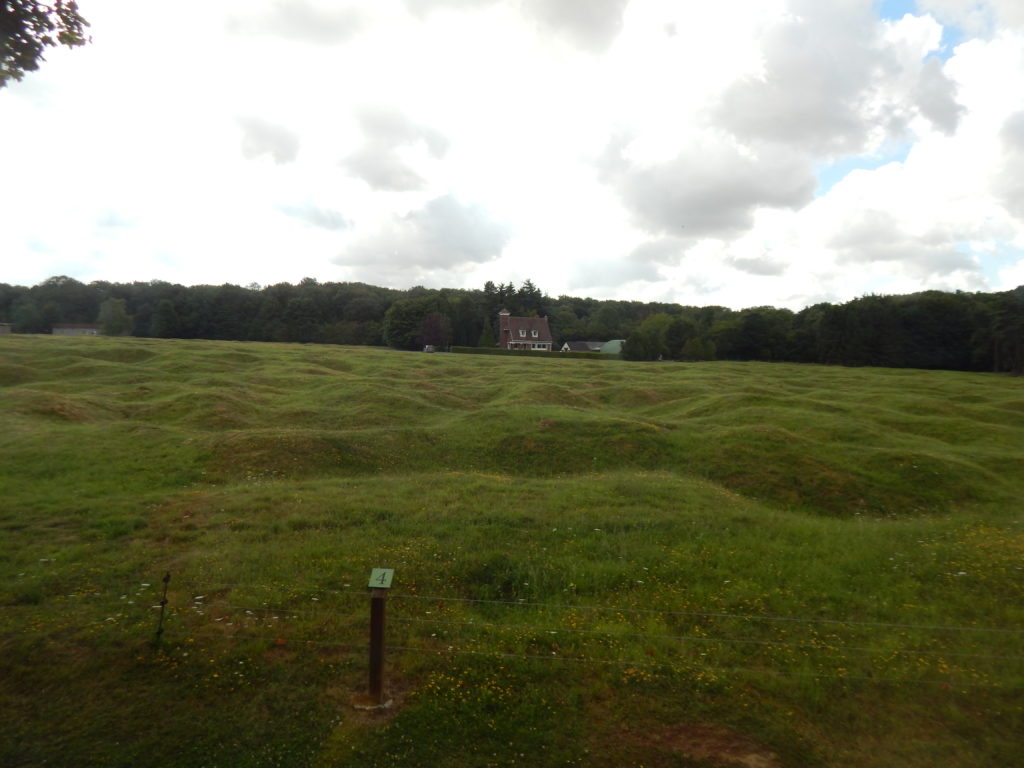
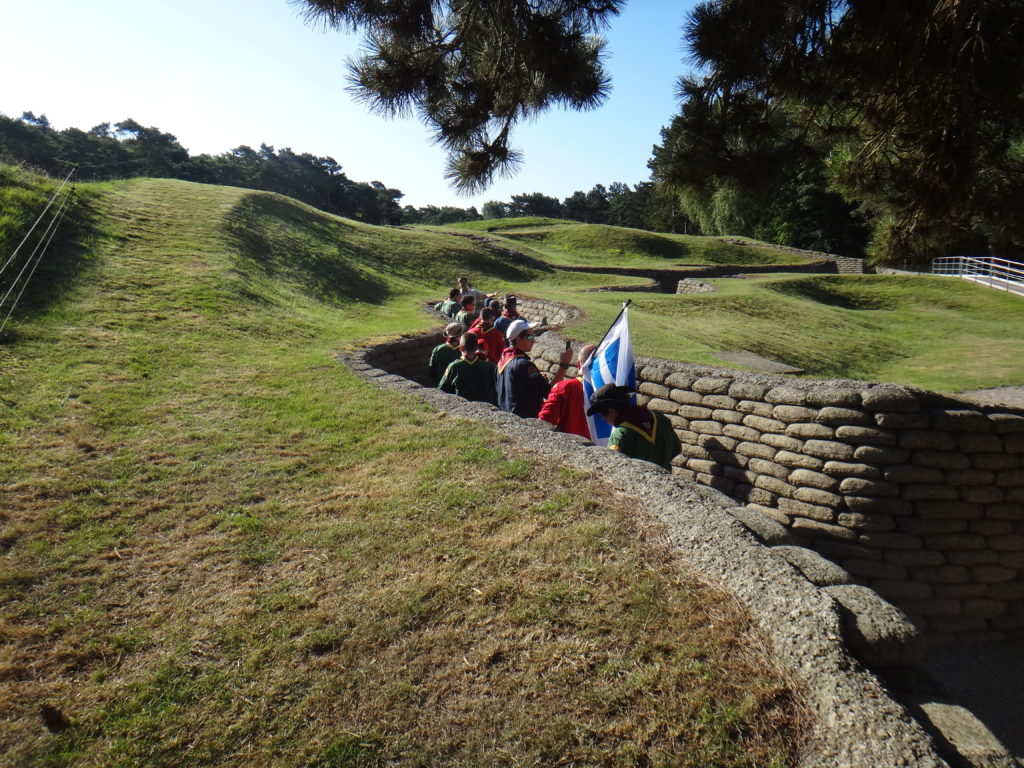


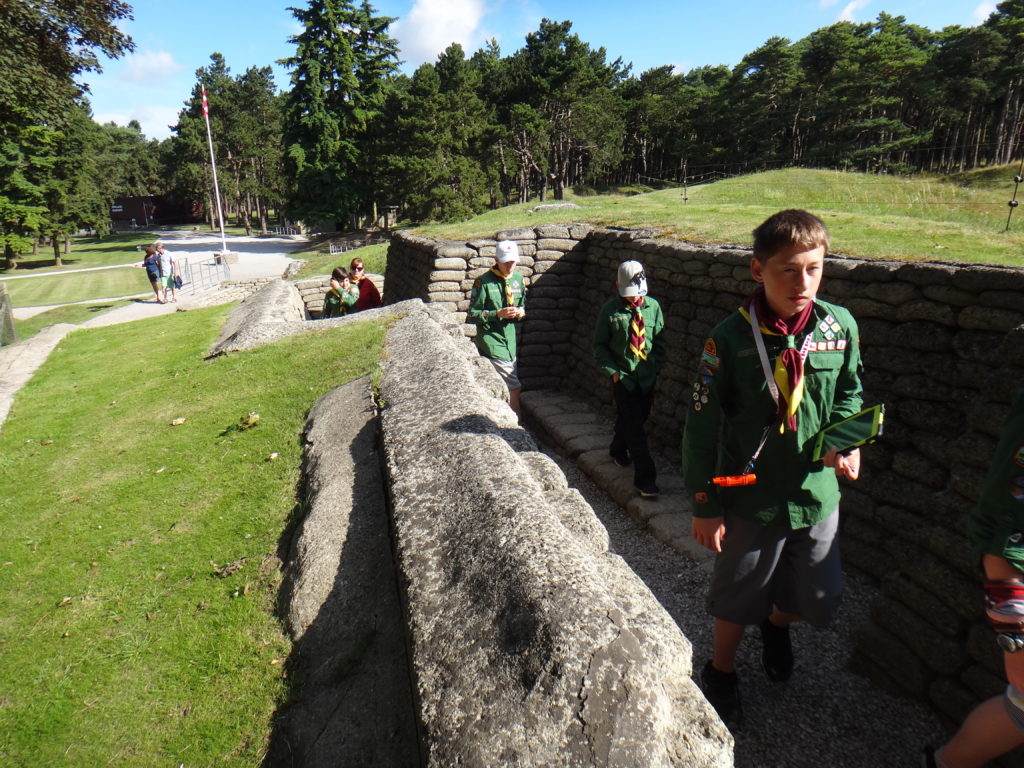

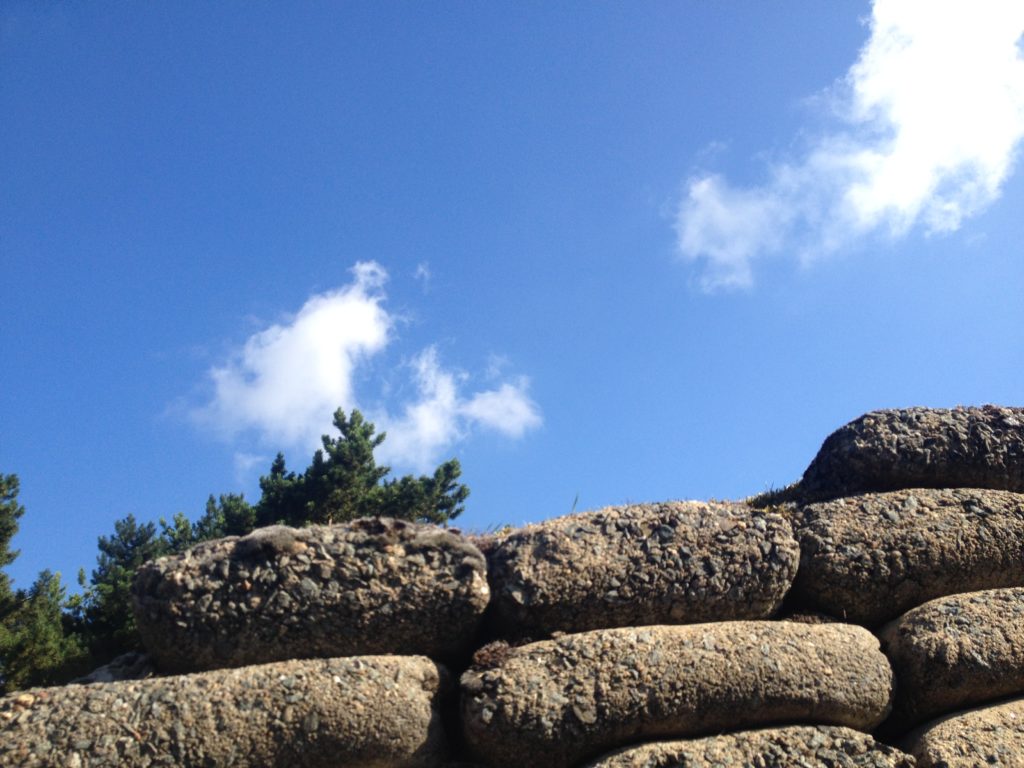
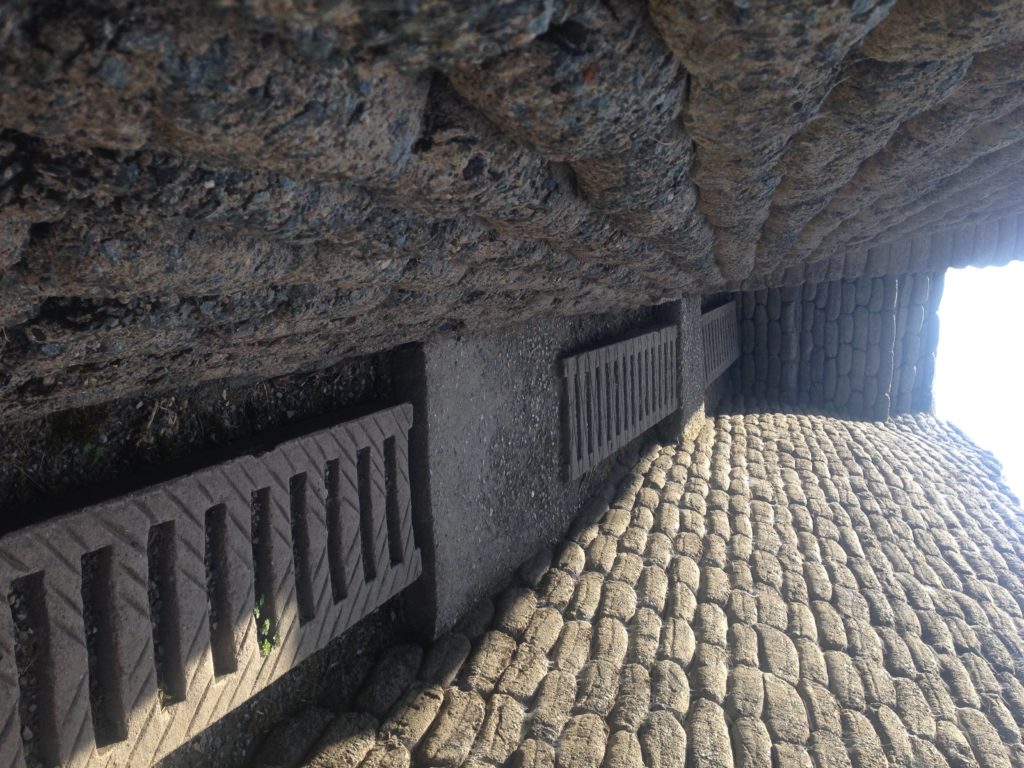

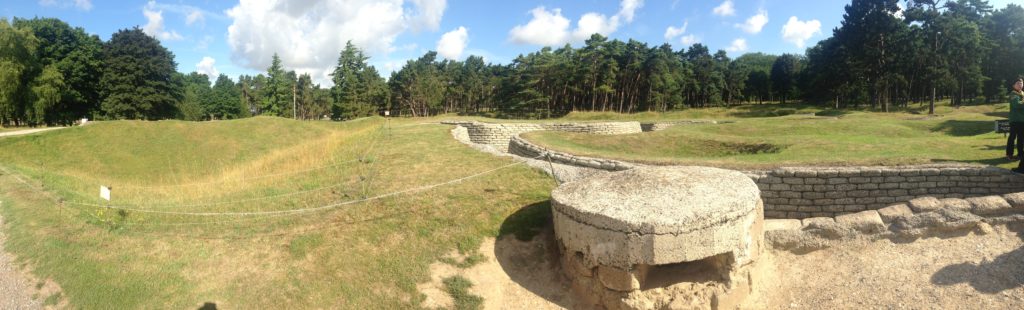
Painstaking effort was made by the Canadian government to preserve the battlefield as best as possible. The trenches that remain were ACTUAL trenches from the First World War, but the sand bags were replaced with cement bags to ensure they would be preserved. The land around the trenches remains deeply pot marked from artillery fire and is in fact still inaccessible due to the danger of unexploded ordinance.


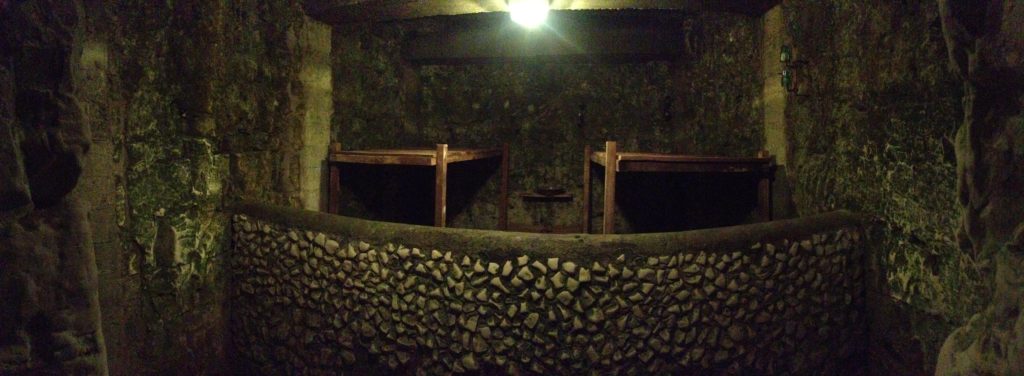


The catacombs at Vimy Ridge are truly mind-blowing! This immense complex of tunnels and chambers has been preserved and immediately takes you back 100 years to what it must have been like for the soldiers preparing for the raid. At one point in the tour we get to this decent dormitory bunk room – hardly “nice” except for in comparison to what sleeping in the trenches would have been like. Our guide explains that the dorm was for the messengers. You see, in WWI all communication between the various players on the field of battle where made by messengers running sheets of paper around with orders on them. This of course made the messengers the ideal target to disrupt an army’s effectiveness, so messengers had an average lifespan of just 14 days. 14 days. The position was so dangerous that you could not be ordered to be a messenger, you had to volunteer. The guide went on to explain that there was a never ending line of volunteers… the war was so hellish that people lined up to take a job in which they knew at least their war would end within 14 days… wow… there are no words…

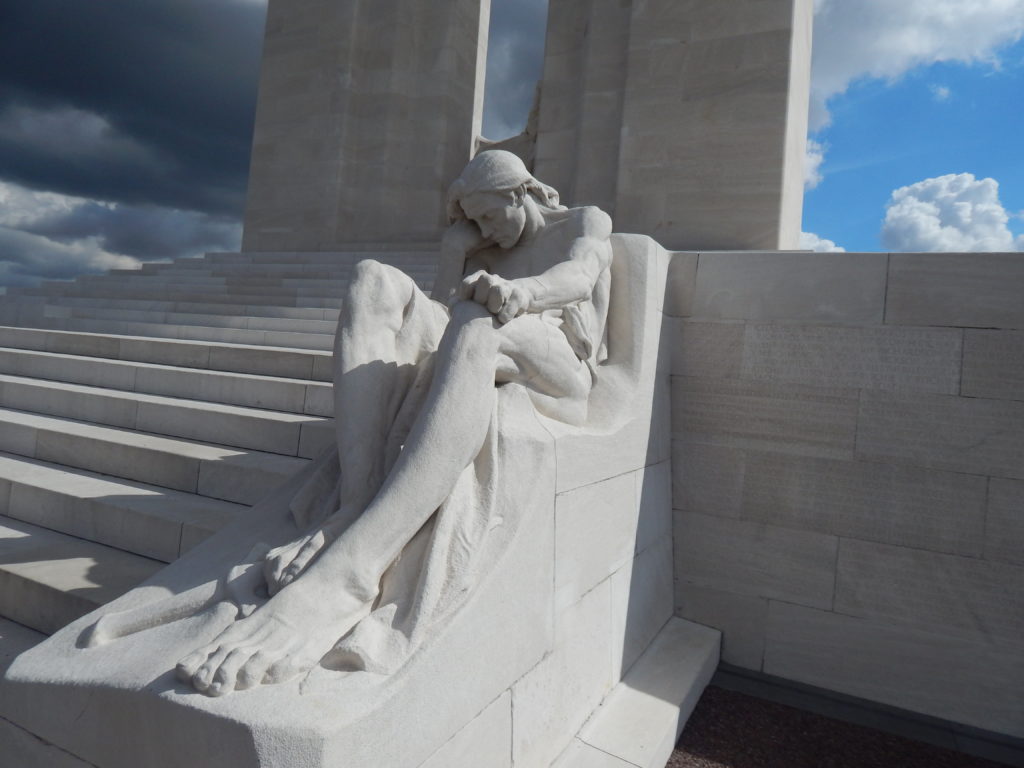
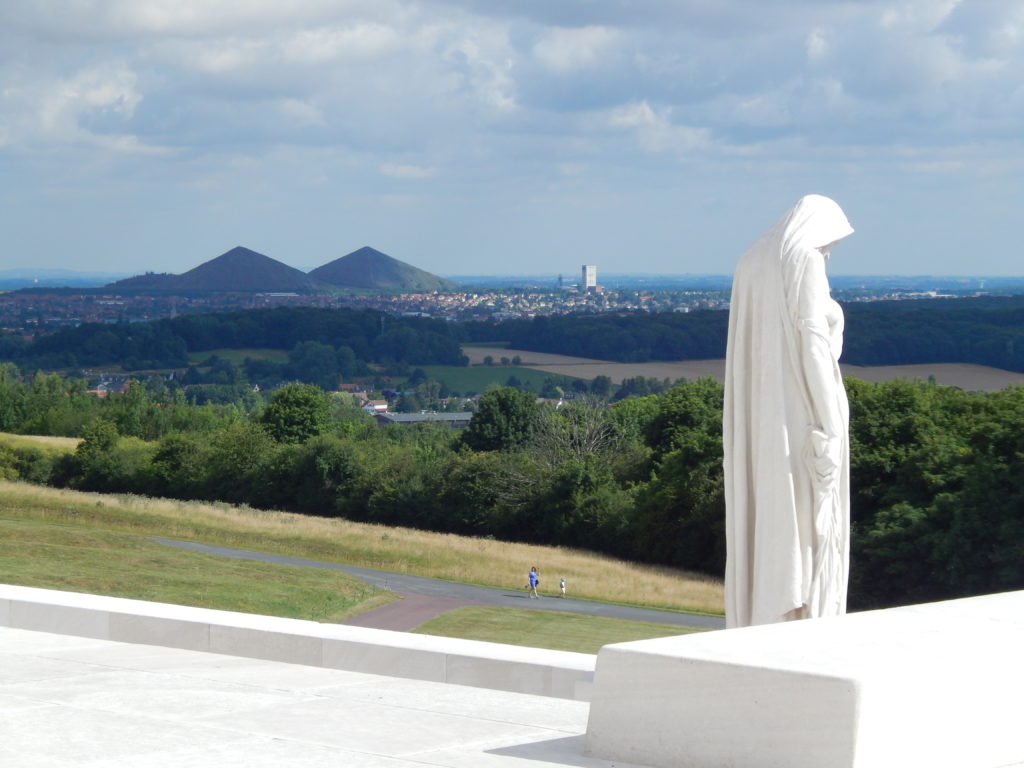
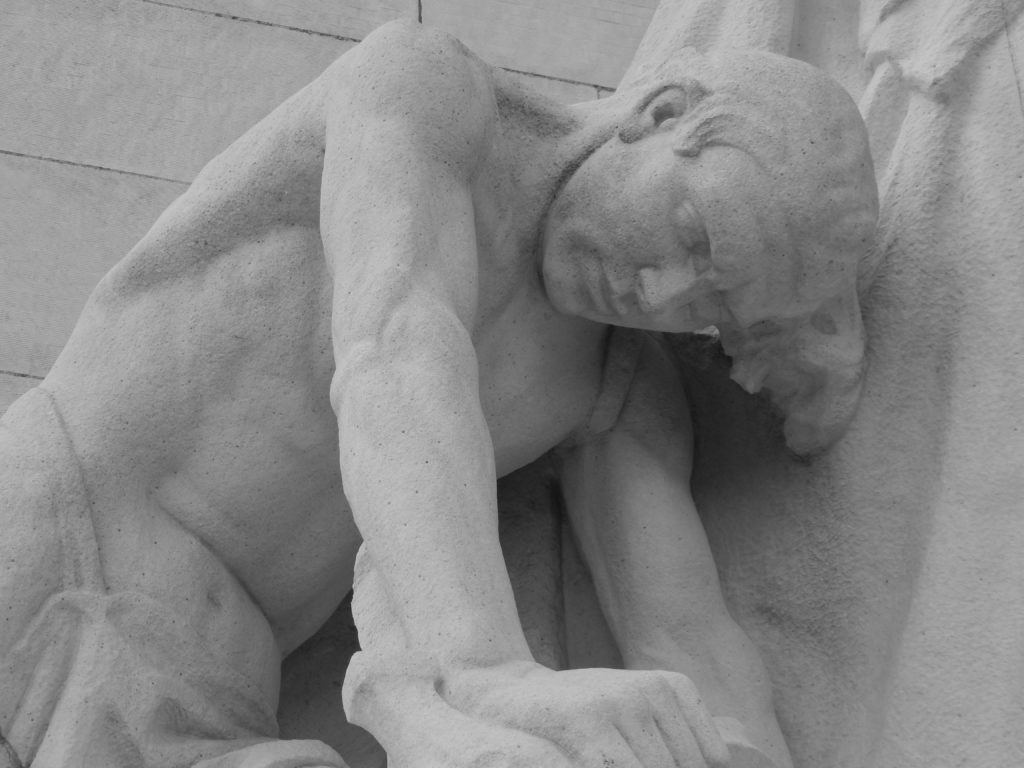
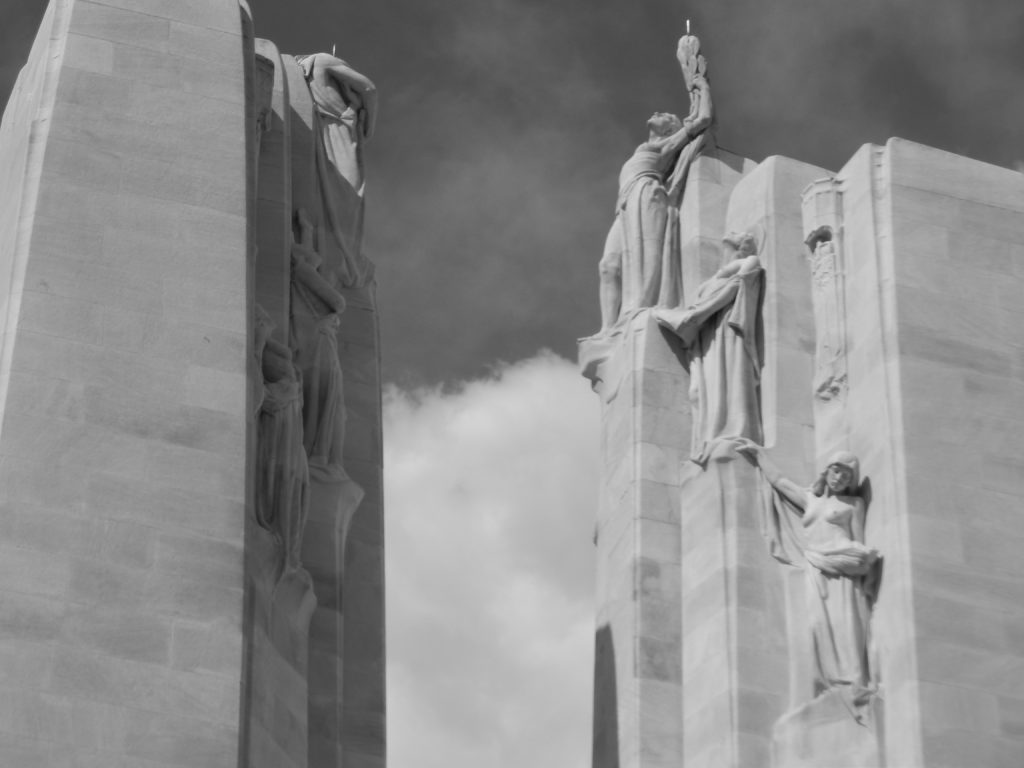
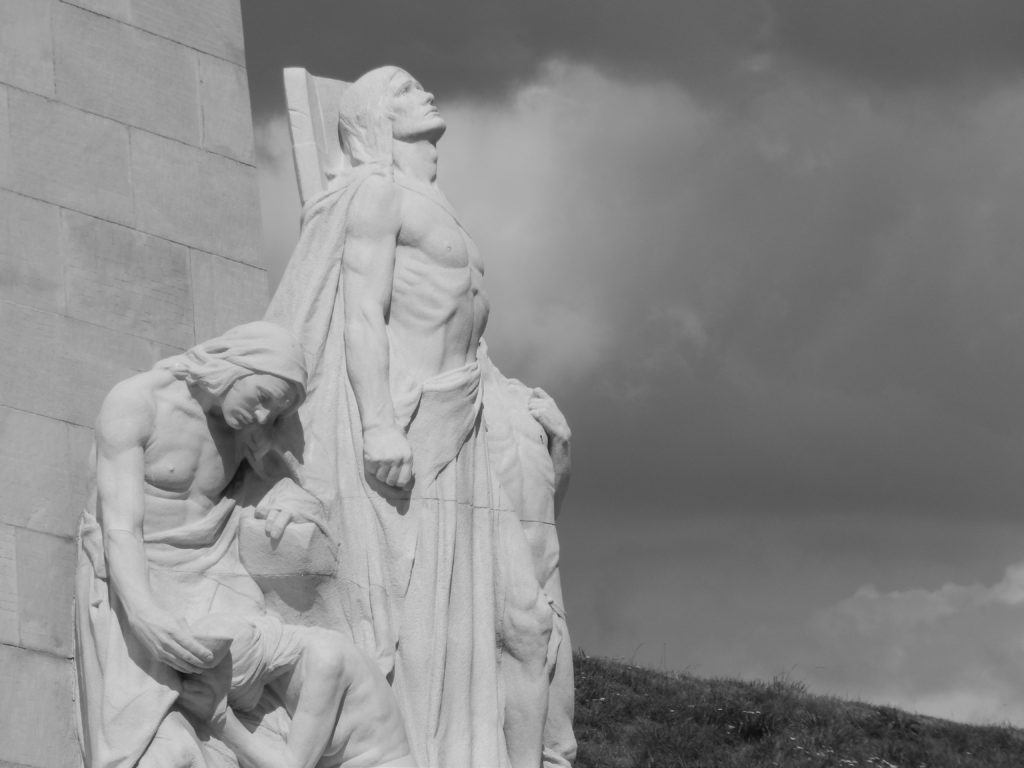
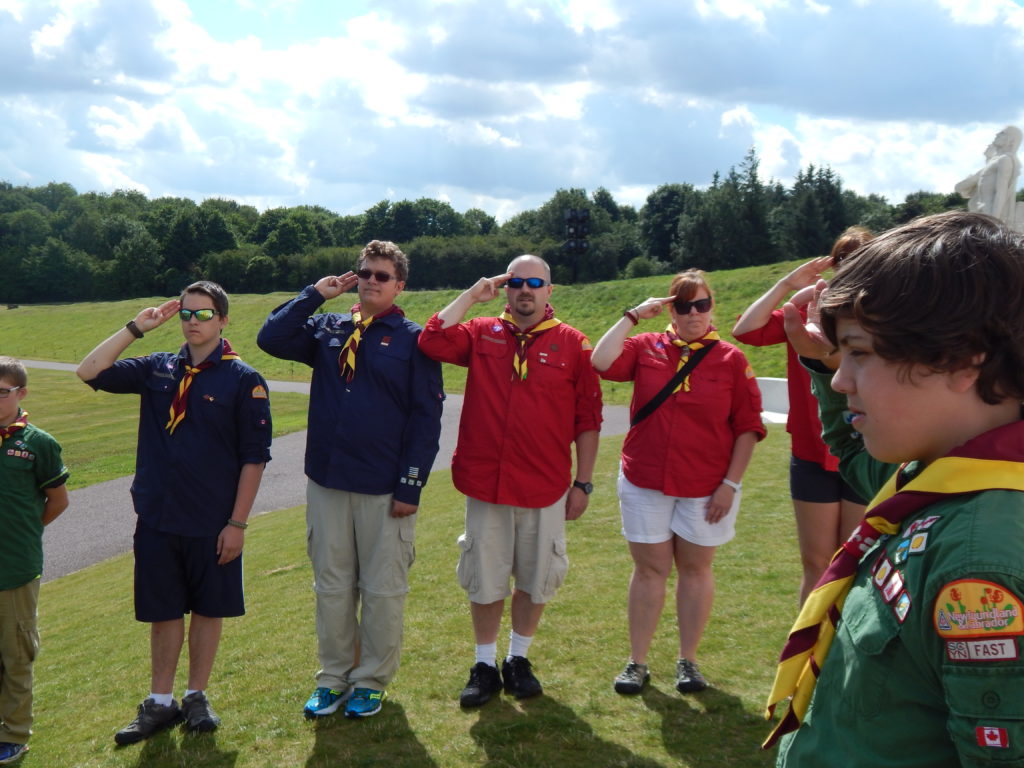
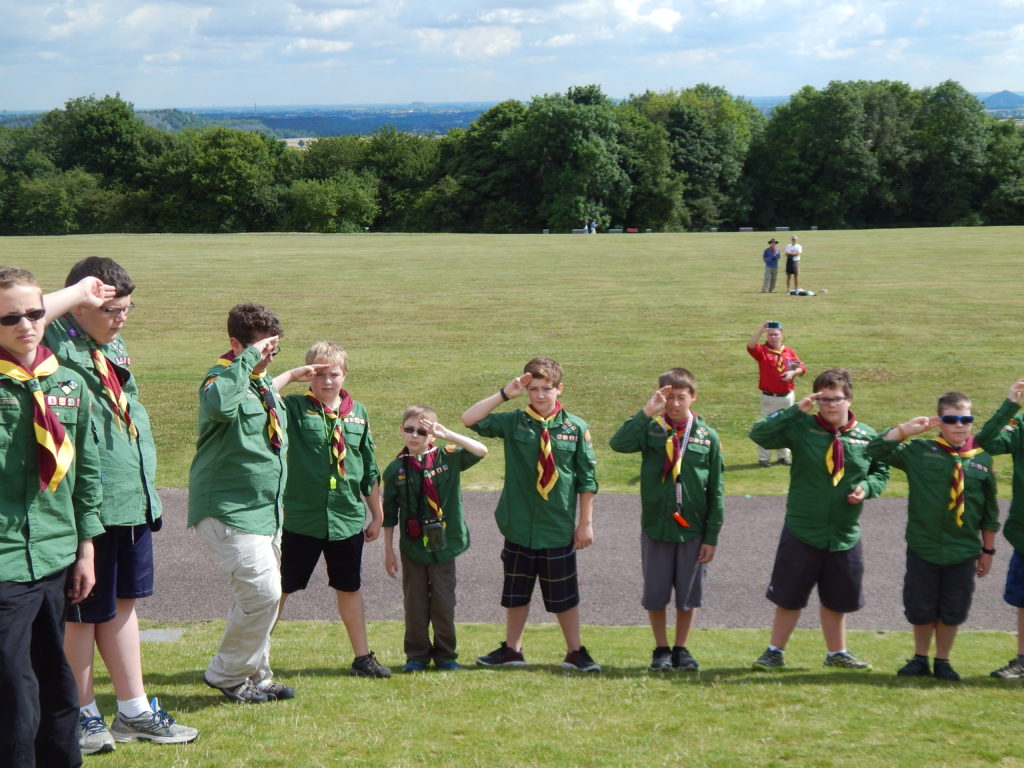
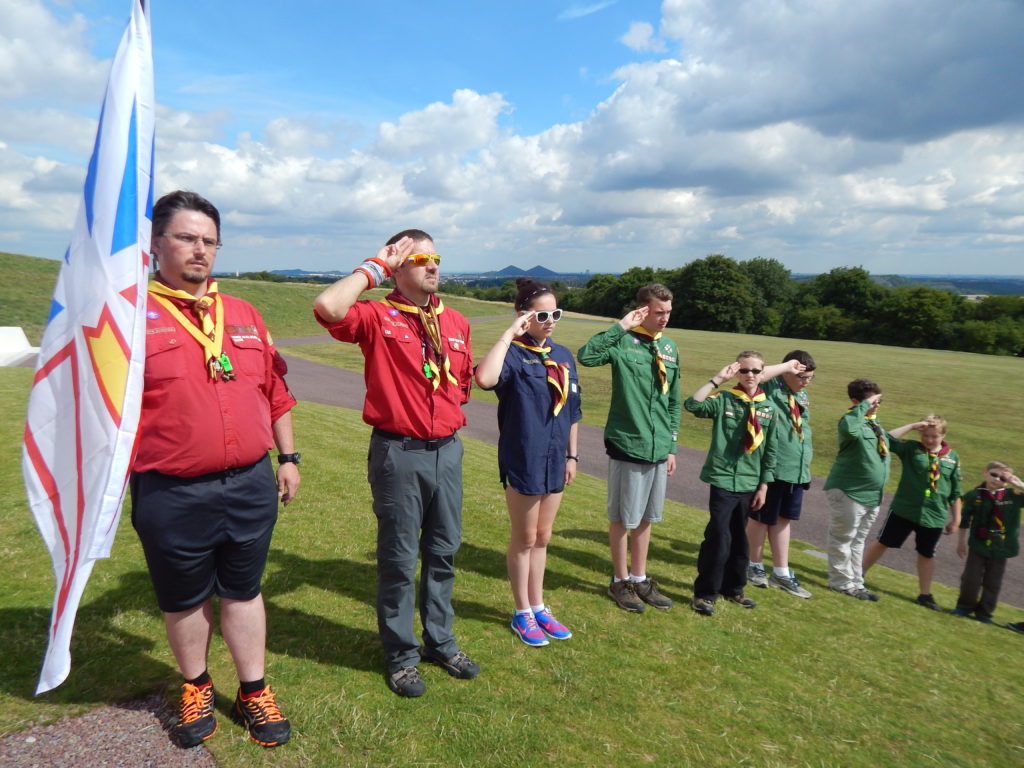
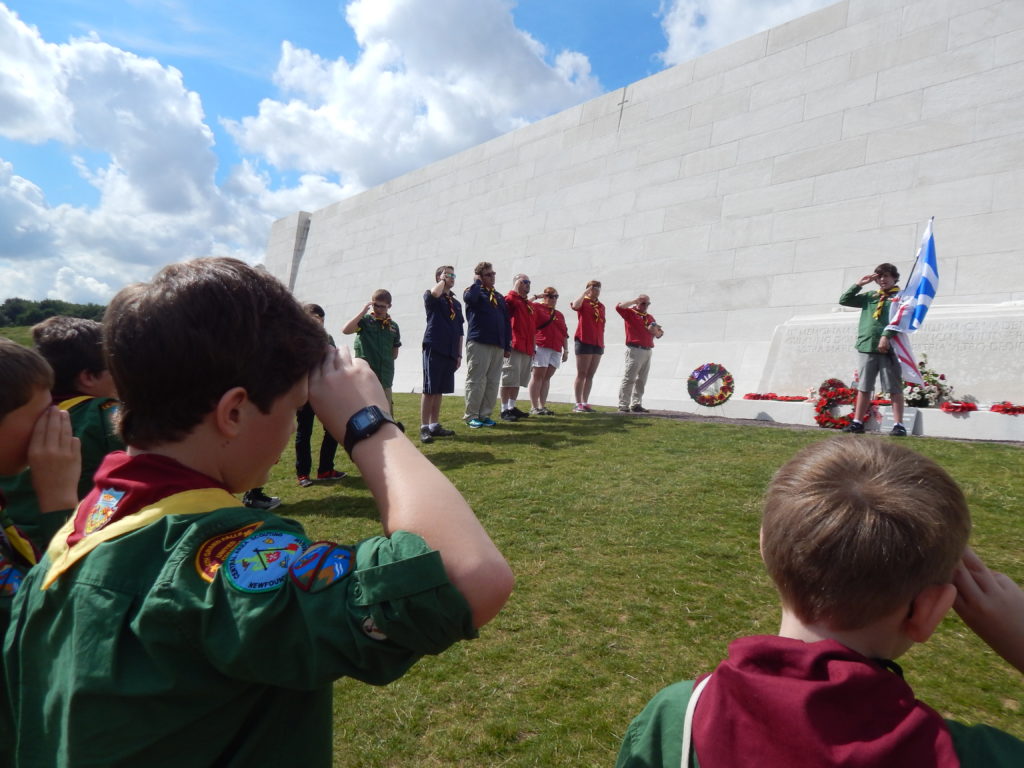
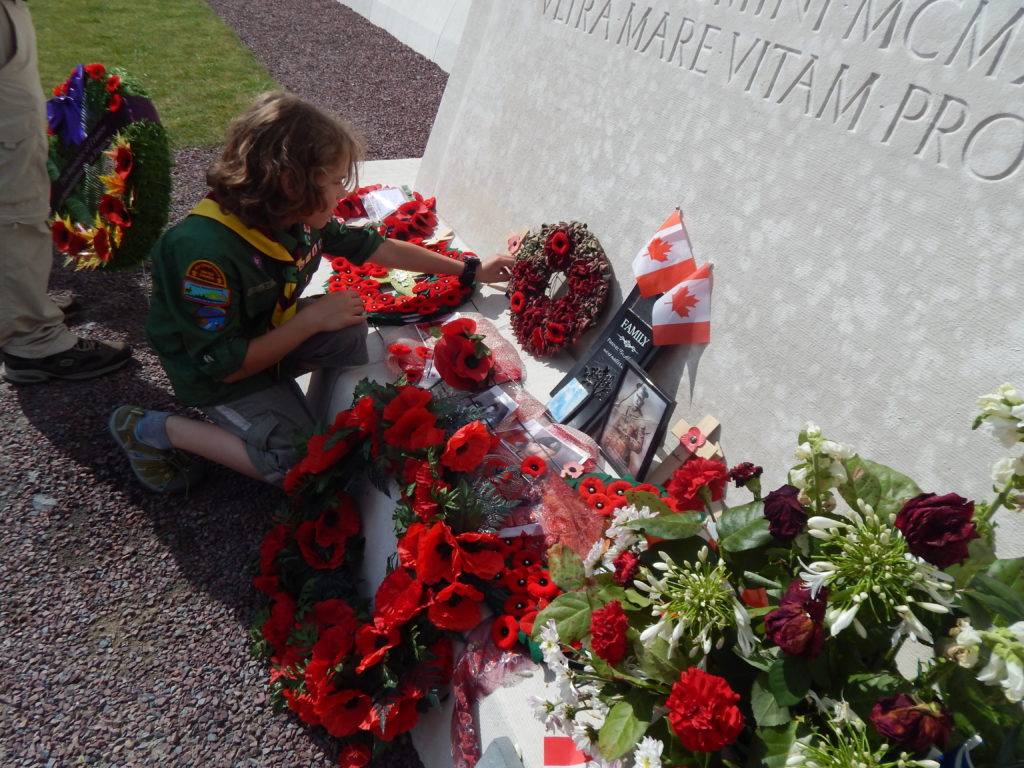
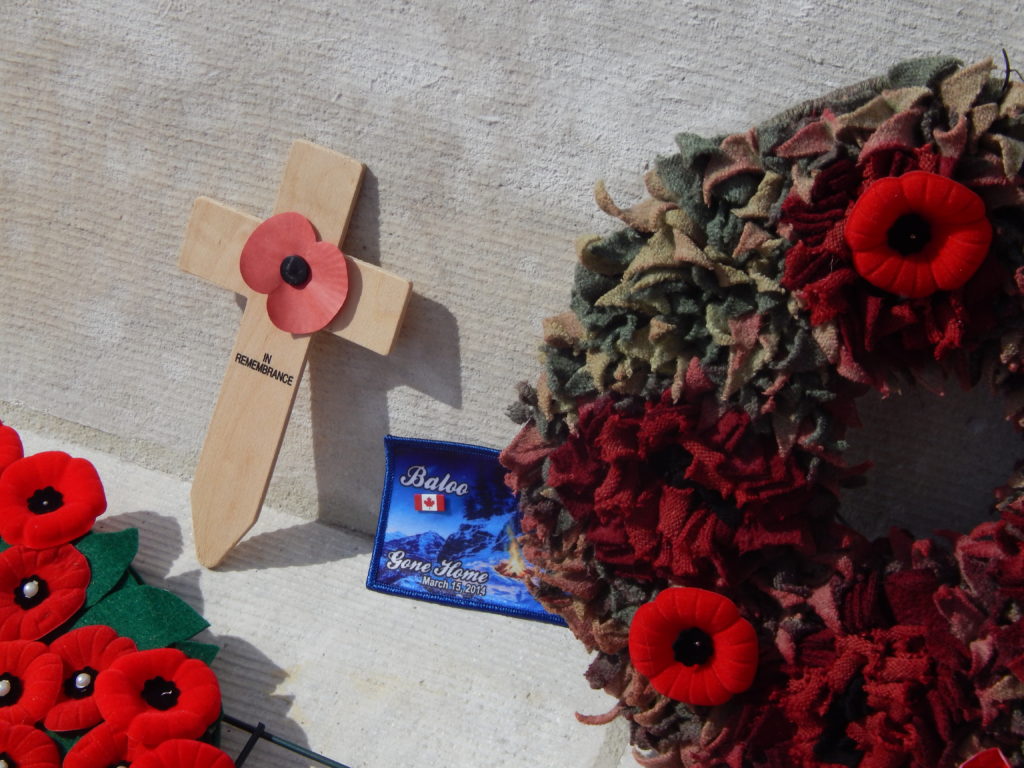
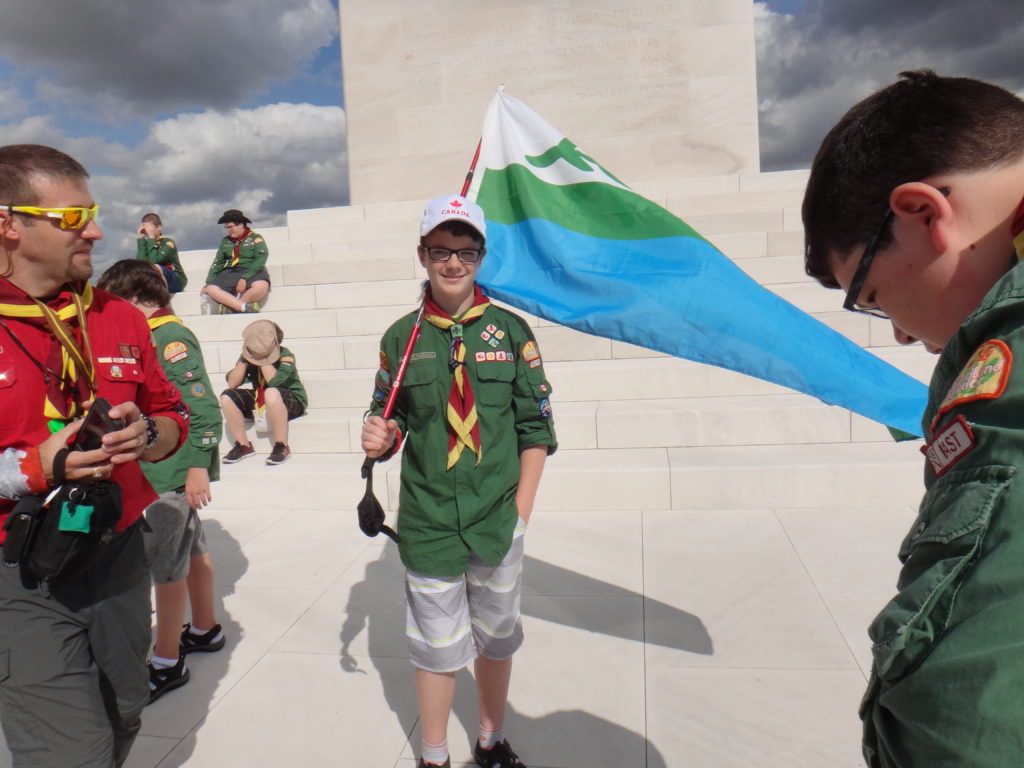
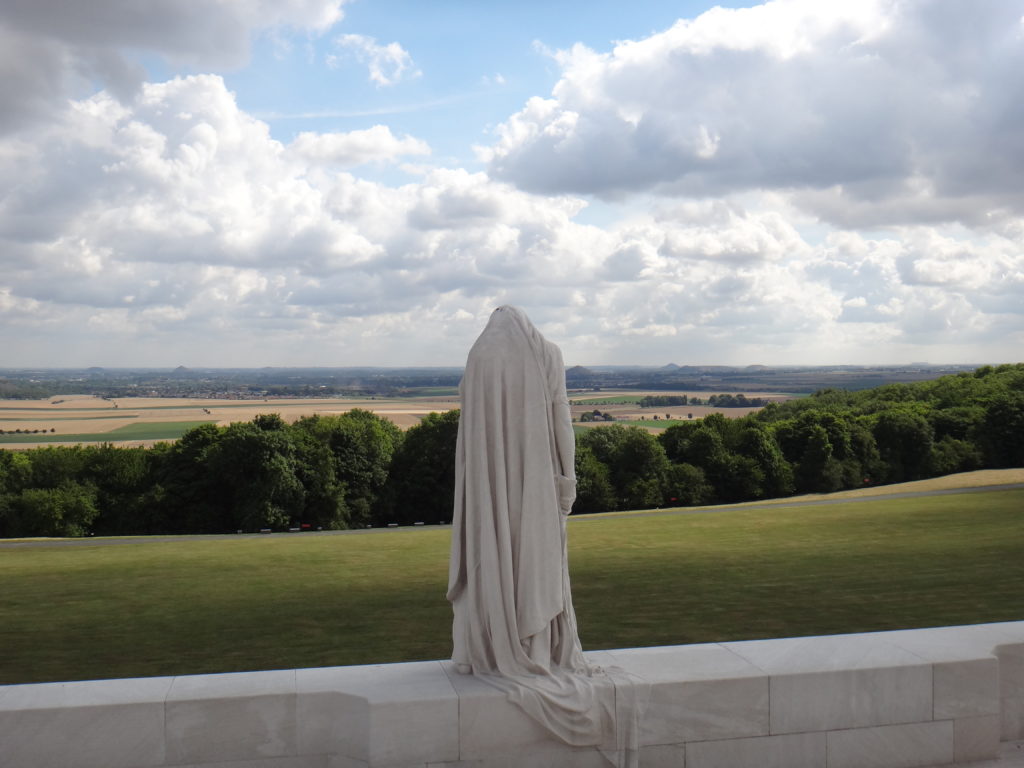
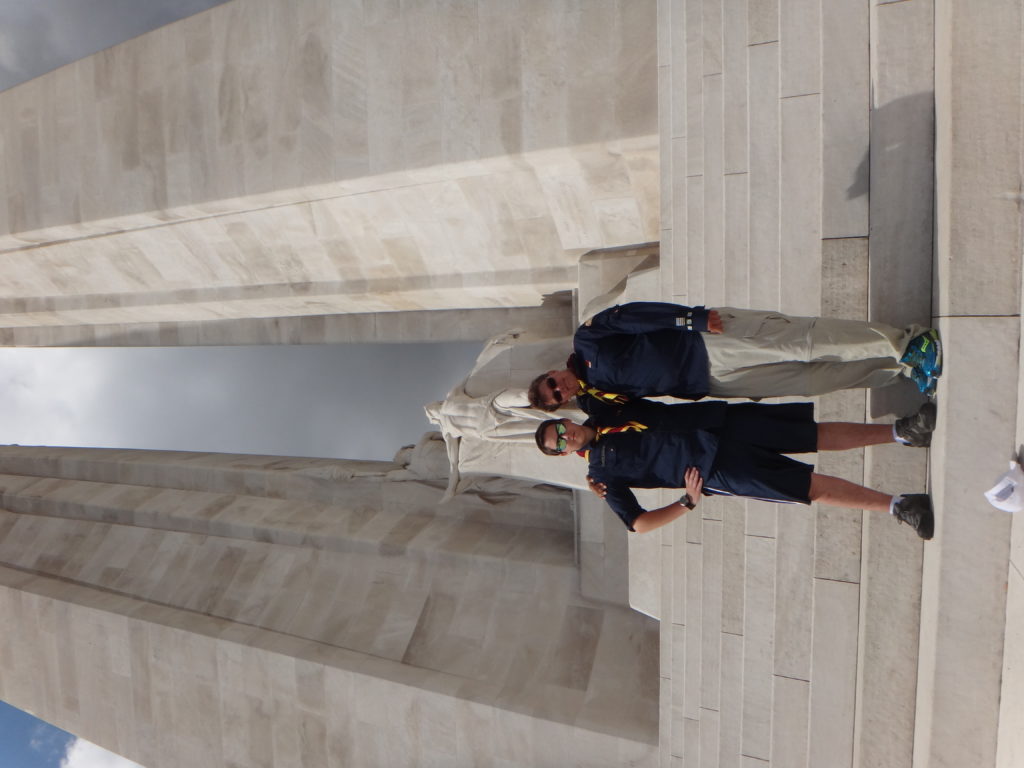
So for the most part I’m going to need to let the pictures tell the story as words cannot even come close to describing what it felt like to visit the Vimy Memorial… The Canadian approach to reflecting the “Great War” was different than a lot of our allies – our Vimy Ridge Memorial tells a story of suffering, loss, and profound sadness. This is not a monument of victory, it’s a giant monument of loss. Every aspect of the Vimy Memorial speaks to a nation in grief, not a nation reveling in victory.
When Hitler occupied France in World War II the Nazi troops went out of their way to vandalize and destroy the Allied monuments from World War I. This was basically the standing order throughout France, until Hitler came upon Vimy Ridge. Even Hitler was so moved by the Vimy Ridge monument that he ordered it protected by his personal guard. “Hitler Approved” is not a seal we want, but it does go to show the profound power of this memorial that even the Nazi’s couldn’t bring themselves to deface it.
Vimy is simply something that every Canadian should experience…









Posted in Expedition Europe 2015 by Scouter Jason with no comments yet.
Leave a Reply
You must be logged in to post a comment.